
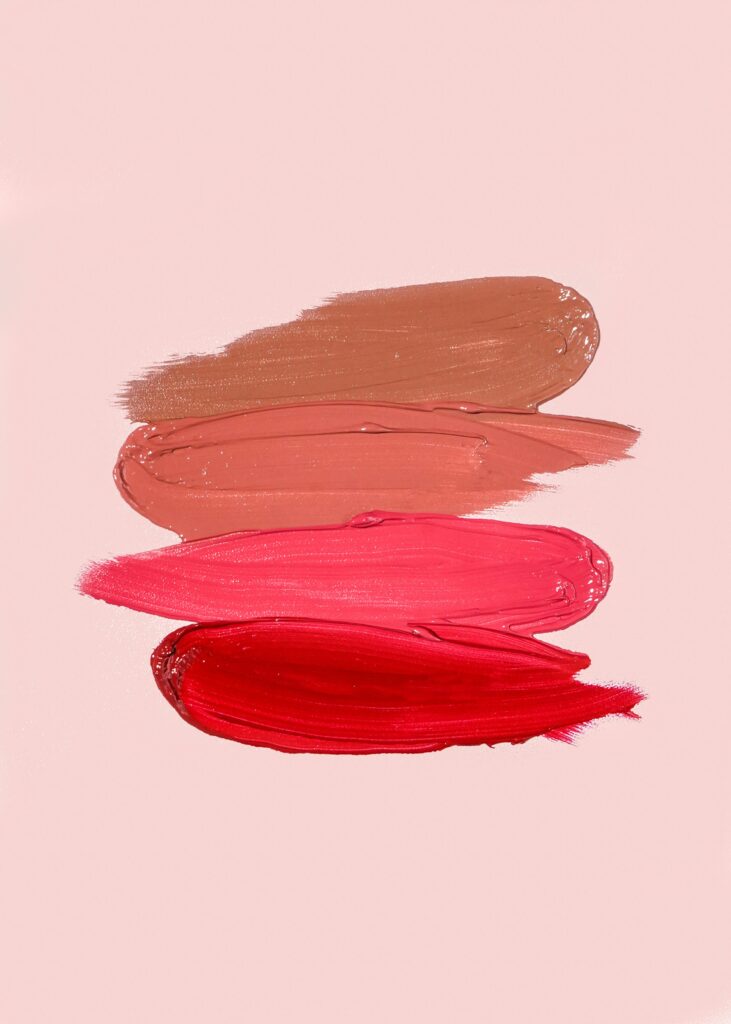

In the glittering world of cosmetics, what often catches our eye first isn’t just the product itself, but its packaging. Far from being a mere container, makeup packaging is a silent storyteller, a blend of art and engineering that influences our perception, enhances user experience, and plays a crucial role in product integrity. Delving into the details, we uncover the fascinating journey from design concept to the selection of precise materials that encapsulate our favorite beauty essentials.
The design of cosmetic packaging is an intricate process, balancing aesthetics with functionality. A visually appealing design can attract attention on crowded shelves, conveying a brand’s identity and luxury appeal. The ergonomics are equally vital; a bottle must be comfortable to hold, easy to open, and facilitate hygienic product dispensing. For instance, a mascara tube’s shape and size impact how the wand is stored and used, affecting the overall application experience. Thoughtful design considers everything from the tactile feel of the material to the satisfying click of a cap.
Beyond the initial allure, the choice of material is critical for product performance and longevity. Our product specifications often highlight materials like AL (Aluminum), known for its lightweight nature, excellent barrier properties against light and air, and its recyclability, making it a popular choice for sleek, premium packaging. AS (Acrylonitrile Styrene) and ABS (Acrylonitrile Butadiene Styrene) are common plastics used for their durability, impact resistance, and ability to be molded into various shapes. AS offers good clarity, often seen in transparent containers, while ABS is opaque and offers a high-gloss finish, frequently used for caps and outer casings due to its robustness.
Another frequently encountered material is PETG (Polyethylene Terephthalate Glycol). PETG is highly valued for its exceptional clarity, making it an ideal choice for products where visual appeal of the contents is important. It is also strong, shatter-resistant, and chemically stable, ensuring the product inside remains uncontaminated and effective. The combination of these materials, such as “MATERIAL AS+ABS” often seen in our product listings, signifies a deliberate choice to leverage the best properties of each for specific components of the packaging. For example, a bottle might use clear AS for the body and durable ABS for the cap.
Ultimately, makeup packaging is a sophisticated fusion of form and function. It protects the product, preserves its efficacy, provides crucial product information, and significantly contributes to the brand’s image and the consumer’s overall experience. The next time you pick up a cosmetic item, take a moment to appreciate the unsung hero – its packaging – and the thoughtful engineering that goes into every curve, every material, and every detail, telling a silent story of quality and innovation.